Meet the team
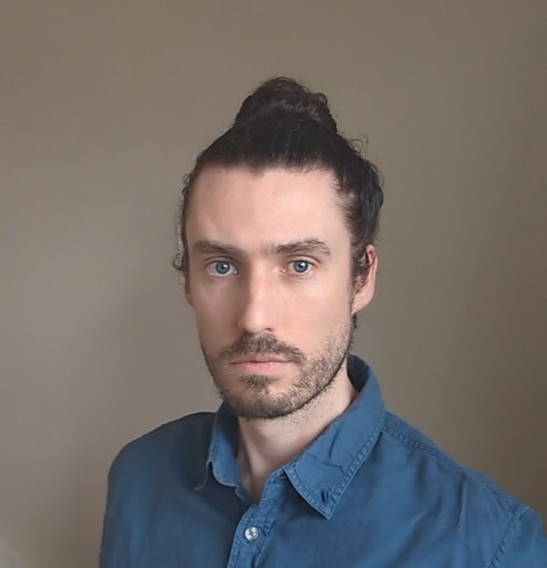
Neil M. Dundon, PhD
Dr. Neil M. Dundon is a computational neuroscientist who studies how human physiology (at both the central and peripheral level) is associated with parameters of human decision making, with specific emphasis on decisions to perform skillful motor actions.
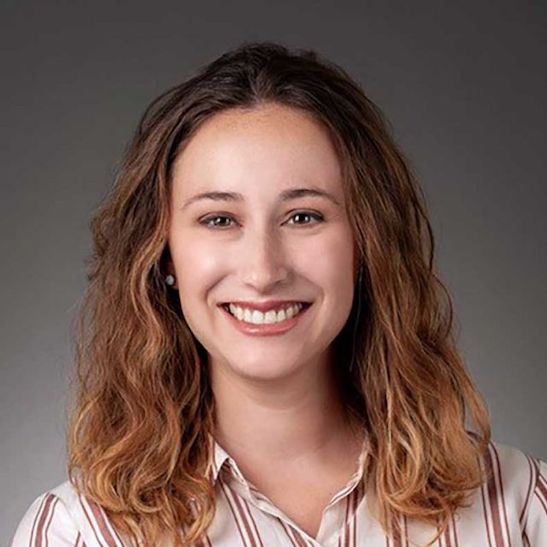
Elizabeth Rizor
Elizabeth Rizor utilizes advanced diffusion and resting-state functional connectivity neuroimaging techniques to characterize alterations in brain structure and function in neurological conditions (stroke, mTBI, Parkinson’s Disease) and across the menstrual cycle.
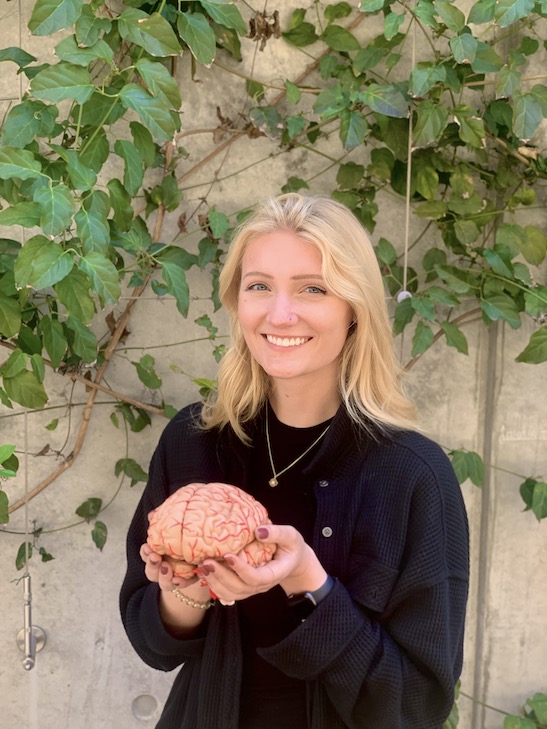
Joanne Stasiak
Joanne Stasiak is a third-year PhD candidate working with Dr. Regina C. Lapate.

Jingyi Wang, PhD
Using fMRI and psychophysiological measures with human subjects, Jingyi Wang is investigating how the frontal pole interacts with cingulate cortex and amygdala during emotion regulation, as well as the impact of amygdala function on hippocampal temporal coding. Moreover, Jingyi is currently working on a project investigating whether and how the circuitry involving the amygdala, ventral putamen, and motor areas mediates the facilitatory role of emotion on motor performance.
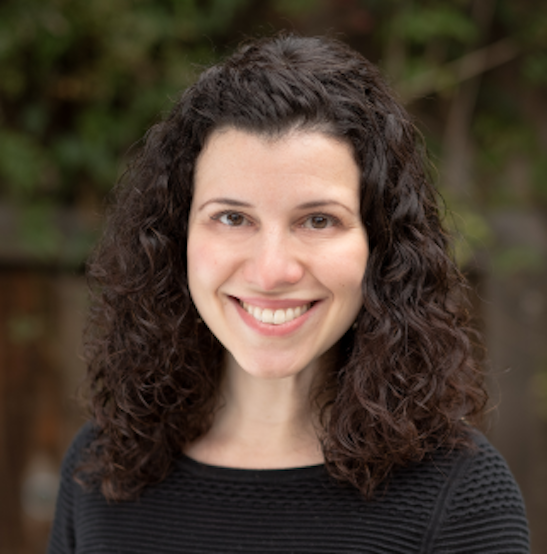
Regina Lapate, PhD
Dr. Regina Lapate earned her PhD in 2015 under the mentorship of Dr. Richard Davidson at the University of Wisconsin-Madison, where she studied the function of conscious awareness in emotion, and the neural correlates of successful emotion regulation.

Andreea C. Bostan, PhD
Dr. Andreea C. Bostan is a research assistant professor in the Department of Neurobiology at the University of Pittsburgh. She is also the project manager for Team Strick as part of the Aligning Science Across Parkinson’s initiative.

Kiana Sabugo
Kiana Sabugo is a first-year graduate student studying Psychology & Neuroscience at Duke University. She led a team of research assistants in fMRI and psychophysiological data collection for Team Strick as part of the Aligning Science Across Parkinson’s initiative.
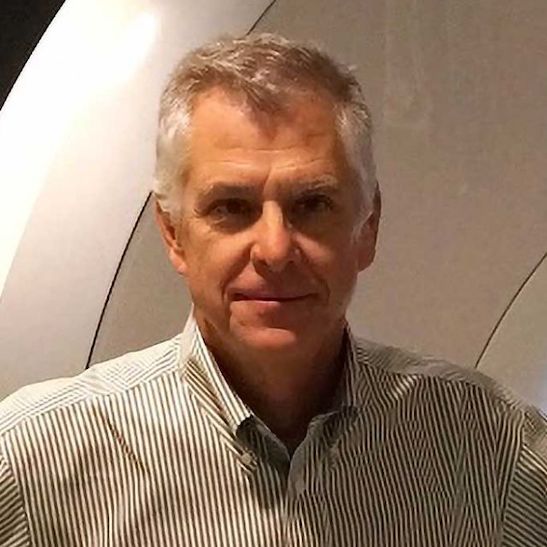
Scott T. Grafton, MD
Scott T. Grafton is director of the UCSB Imaging Center. The center uses fMRI, magnetic stimulation and high density EEG to characterize the neural basis of goal directed behavior. Professor Grafton is interested in how people organize movement into goal-oriented action. The emphasis is on elucidating the cognitive architecture that underlies action representation.

Mark Floyd Lew, MD
Dr. Mark Floyd Lew has an international reputation for the treatment of patients with Parkinson’s disease, dystonia, and other movement disorders. He is a board certified neurologist and a fellow of the American Academy of Neurology. Dr. Lew is the director of the Division of Movement Disorders and serves as the vice chairman of the Department of Neurology.
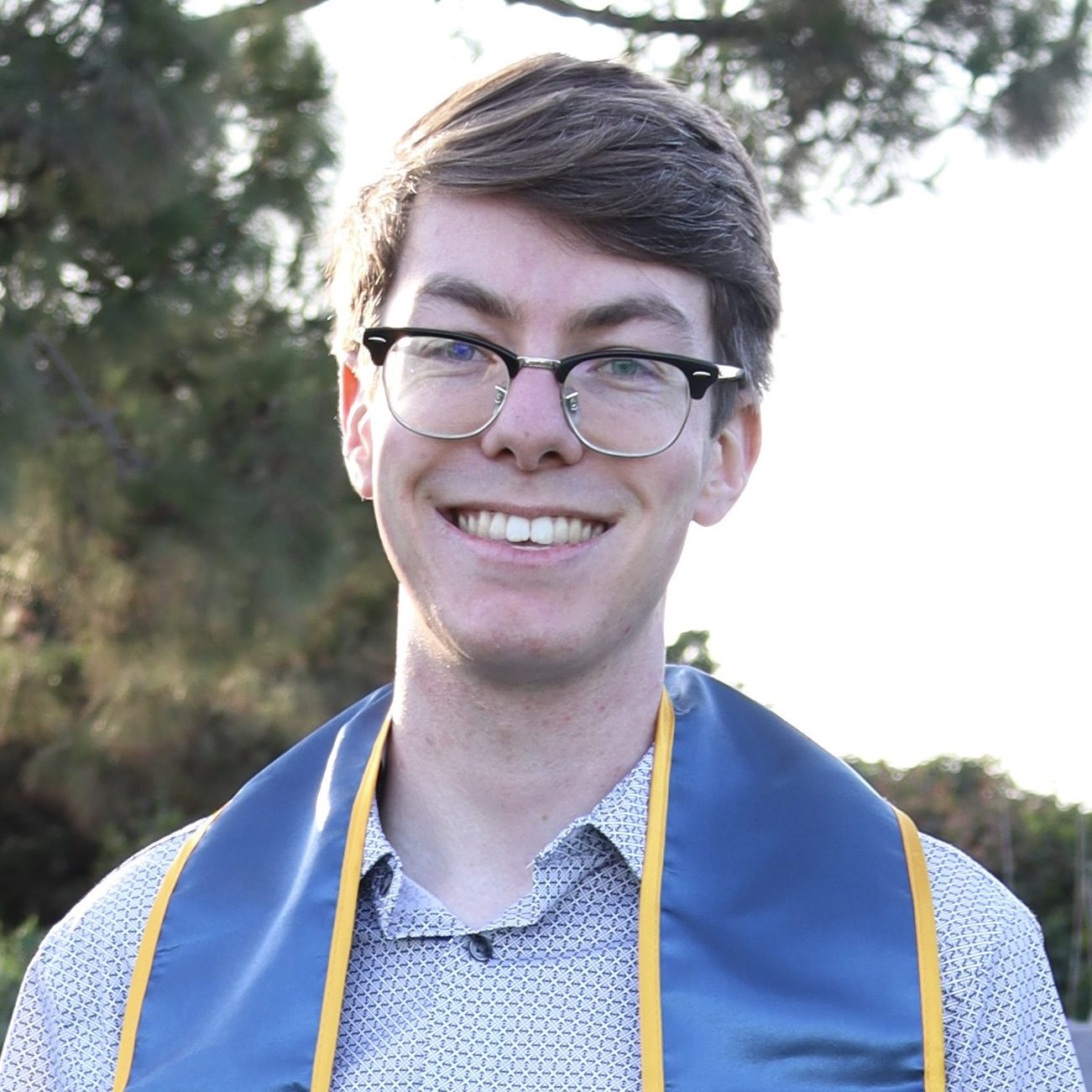
Parker Barandon
Parker Barandon is a Laboratory Assistant collecting fMRI and psychophysiological data for Team Strick as part of the Aligning Science Across Parkinson’s initiative.
 SKIP
SKIP 